Eating
healthfully would be approximately 100 percent more fun if you craved
good stuff like broccoli instead of junk like Doritos, and now new
research hints this could actually happen -- although not overnight. A brain-scan study
published in Nature by Tufts University researchers showed that after
overweight and obese adults spent six months following a healthy diet,
their brains responded less strongly to images of high-calorie foods
like fried chicken or French fries.
For the study, five volunteers
formed the control group and made no changes to their eating habits;
the other eight participated in an eating program called the iDiet,
which was developed by Tufts scientists and mostly features foods that
are high in fiber and low on the glycemic index (a way of measuring the
impact of a food's blood sugar on our bodies). More from Science of Us:Mexican-Americans Eat Healthier Than Others
The
authors write that brain scans suggested that following the healthy
diet seemed to dampen that rewarding effect that junk food had
previously triggered in the participants' brains.
Says the press release:
Both
groups underwent magnetic resonance imaging (MRI) brain scans at the
beginning and end of a six-month period. Among those who participated in
the weight loss program, the brain scans revealed changes in areas of
the brain reward center associated with learning and addiction. After
six months, this area had increased sensitivity to healthy,
lower-calorie foods, indicating an increased reward and enjoyment of
healthier food cues. The area also showed decreased sensitivity to the
unhealthy higher-calorie foods.
In
other words, when they were shown images of different foods, the
dieters' cravings for unhealthy, higher-calorie foods lessened, and they
showed more interest in the healthier foods.
The
findings are unlikely to be the final salvo in what has been a long and
often contentious debate about what foods are best to eat for weight
loss and overall health. The notion that dietary fat is harmful,
particularly saturated fat, arose decades ago from comparisons of
disease rates among large national populations.
But
more recent clinical studies in which individuals and their diets were
assessed over time have produced a more complex picture. Some have
provided strong evidence that people can sharply reduce their heart
disease risk by eating fewer carbohydrates and more dietary fat, with
the exception of trans fats. The new findings suggest that this strategy
more effectively reduces body fat and also lowers overall weight.
The new study was financed by the National Institutes of Health
and published in the Annals of Internal Medicine. It included a
racially diverse group of 150 men and women — a rarity in clinical
nutrition studies — who were assigned to follow diets for one year that
limited either the amount of carbs or fat that they could eat, but not
overall calories.
“To
my knowledge, this is one of the first long-term trials that’s given
these diets without calorie restrictions,” said Dariush Mozaffarian, the
dean of the Friedman School of Nutrition Science and Policy at Tufts
University, who was not involved in the new study. “It shows that in a
free-living setting, cutting your carbs helps you lose weight without
focusing on calories. And that’s really important because someone can
change what they eat more easily than trying to cut down on their
calories.”
Diets
low in carbohydrates and higher in fat and protein have been commonly
used for weight loss since Dr. Robert Atkins popularized the approach
in the 1970s. Among the longstanding criticisms is that these diets
cause people to lose weight in the form of water instead of body fat,
and that cholesterol
and other heart disease risk factors climb because dieters invariably
raise their intake of saturated fat by eating more meat and dairy.
Many
nutritionists and health authorities have “actively advised against”
low-carbohydrate diets, said the lead author of the new study, Dr. Lydia A. Bazzano
of the Tulane University School of Public Health and Tropical Medicine.
“It’s been thought that your saturated fat is, of course, going to
increase, and then your cholesterol is going to go up,” she said. “And
then bad things will happen in general.”
Photo
The new study showed that was not the case.
By
the end of the yearlong trial, people in the low-carbohydrate group had
lost about eight pounds more on average than those in the low-fat
group. They had significantly greater reductions in body fat than the
low-fat group, and improvements in lean muscle mass — even though
neither group changed their levels of physical activity.
While the low-fat group did lose weight, they appeared to lose more muscle than fat.
“They
actually lost lean muscle mass, which is a bad thing,” Dr. Mozaffarian
said. “Your balance of lean mass versus fat mass is much more important
than weight. And that’s a very important finding that shows why the
low-carb, high-fat group did so metabolically well.”
The
high-fat group followed something of a modified Atkins diet. They were
told to eat mostly protein and fat, and to choose foods with primarily
unsaturated fats, like fish, olive oil and nuts. But they were allowed
to eat foods higher in saturated fat as well, including cheese and red
meat.
A
typical day’s diet was not onerous: It might consist of eggs for
breakfast, tuna salad for lunch, and some kind of protein for dinner —
like red meat, chicken, fish, pork or tofu — along with vegetables.
Low-carb participants were encouraged to cook with olive and canola
oils, but butter was allowed, too.
Audio
Giving Robots That Human Touch, How Trees Really Work, Low Carb Versus Low Fat 20:03
Play
Robots may already think faster than
we do, but they are just starting to be able to move like us; one
researcher has set out to prove an 84-year-old hypothesis about how
trees move nutrients around; a lower-carb, higher-fat diet may be better
for you than a low-fat diet. David Corcoran, Michael Mason, Joshua A. Krisch and Jeffery DelViscio
Over
all, they took in a little more than 13 percent of their daily calories
from saturated fat, more than double the 5 to 6 percent limit
recommended by the American Heart Association. The majority of their fat
intake, however, was unsaturated fats.
The
low-fat group included more grains, cereals and starches in their diet.
They reduced their total fat intake to less than 30 percent of their
daily calories, which is in line with the federal government’s dietary
guidelines. The other group increased their total fat intake to more
than 40 percent of daily calories.
Both
groups were encouraged to eat vegetables, and the low-carbohydrate
group was told that eating some beans and fresh fruit was fine as well.
In the end, people in the low-carbohydrate group saw markers of inflammation and triglycerides — a type of fat that circulates in the blood — plunge. Their HDL, the so-called good cholesterol, rose more sharply than it did for people in the low-fat group.
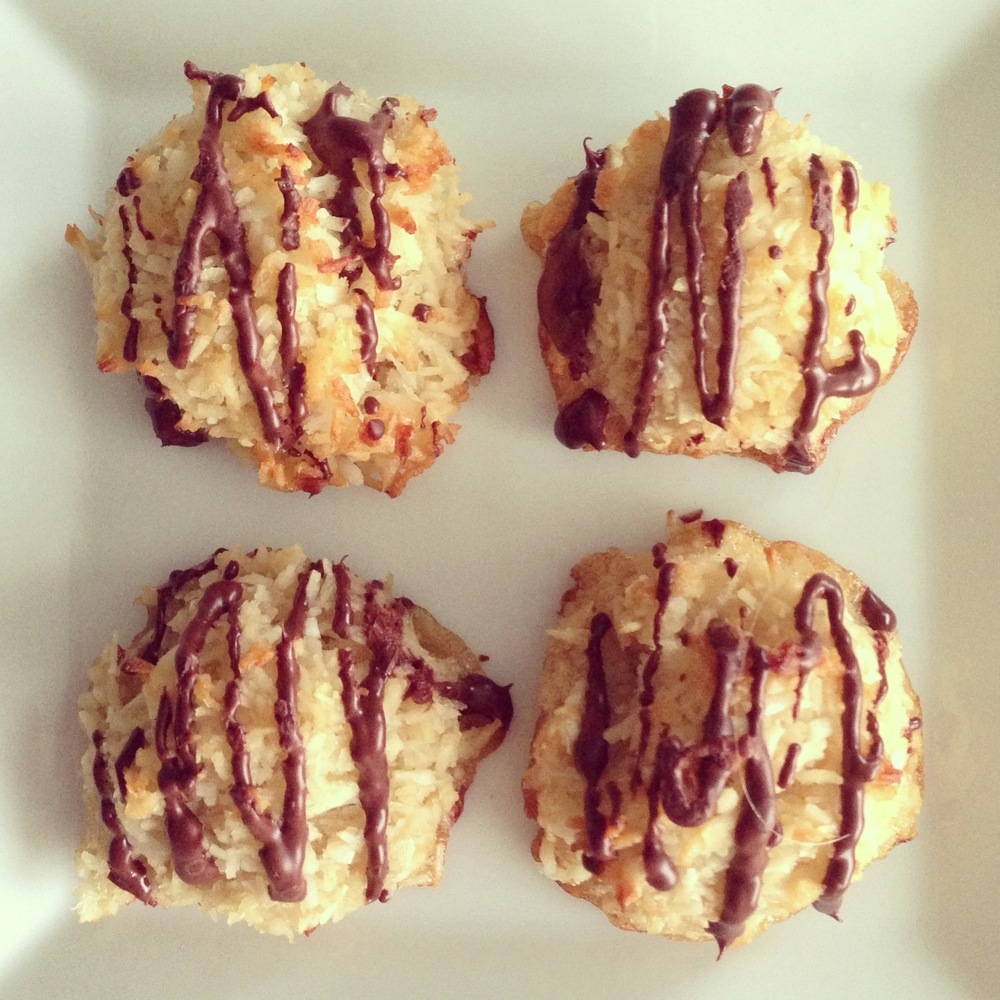
If cavemen could have consumed cookies, they probably would have. Just because they didn't have them back in their day doesn't mean modern people on the Paleo diet, a nutrition plan that models the eating-habits of our stone-aged ancestors, can't enjoy something a little sweet.
Sure, there's a bit of debate as to whether true Paleo-ers can have foods like chocolate (which is made with milk solids and sugar). As articulated on Paleo Leap,
an online resource for all things Paleo, "In the true sense of whether
our Paleolithic ancestors enjoyed [foods like chocolate], the answer is
almost always no, but the real question we should ask ourselves is
whether they are healthy when consumed in moderation." In essence, it's
up to the individual to decide whether or not to include chocolate in
their nutritional regime. Paleo-ers who do say yes to chocolate often
choose the dark variety -- it tends to be less processed and lower in
sugar.
The following 27 cookie recipes adhere by Paleo rules, in
the sense that they contain no grains, gluten, soy or dairy. They also
follow the cookie rules, in the sense that they are delicious. Enjoy:
There's nothing wrong with an unsure cook
measuring every ingredient and setting the kitchen timer for each phase
of cooking. But following recipes to a tee can get expensive, especially
when it comes to seafood. Take snapper, for instance; the tender and
mild fish is common in fish taco recipes and costs about $25 a pound
right now. Flounder, though, is just as great in a taco -- and is
currently half the price. Restaurants change their menus all the time
based on what they can get a good deal on; there's no reason you
shouldn't, too. This handy chart categorizes fish by texture and flavor, offering many options for each.
Always, Always Starting With Olive Oil
Junpinzon/iStock/Thinkstock
Home cooks tend to rely on pricey olive oil for
sauteing foods but, says chef Robert Irvine, who has appeared on
"Restaurant: Impossible," professionals often do the bulk of their
cooking with cheaper oils, such as canola, grapeseed or safflower, and
save high-end olive oil for finishing dishes. This frugal move (a
16-ounce bottle of olive oil starts around $8 and can cost much more,
while 48 ounces of canola oil is about $3) can actually make your food
taste better, too. That's because canola and other nonolive oils have a
higher smoke point, so you can get the pan and the oil very hot, which
helps give whatever you're cooking -- such as a chicken breast or a fish
fillet -- a browned crust, without it absorbing tons of oil. Save olive
oil for salad dressings and for drizzling over food just before
serving, to give it a little extra flavor.
Spending Big Money for the Annual Cookie Swap
IngridHS/iStock/Thinkstock
When it comes to baking, we're all for splurging on organic eggs; they're more expensive, but they're produced by hens given feed grown without most conventional pesticides, fungicides, herbicides or commercial fertilizers.
But if you're paying top dollar for dry goods, such as baking soda,
brown sugar and powdered sugar, whether organic or name-brand, you're
probably spending more than you need to. A group of economists recently
published a fascinating list
showing chefs have no qualms buying generic -- and baking items were
among the top foods that even pros buy the cheap version of.
Buying A Whole Can Of Tomato Paste
Nielsen/iStock/Thinkstock
Even from-scratch cooks use canned foods, such as tomato paste or chipotle chilies, in adobo sauce
for the big boosts of flavor they deliver. But the majority of recipes
call for just a small amount of these potent ingredients (e.g., a
tablespoon, or even less, of paste; one or two chilies). Next time
you're cooking with one of these foods, take what you need, and then
spoon the rest into tablespoon-size mounds on a parchment-paper-lined
baking sheet. Put the tray in the freezer, and once the food is frozen
solid, pop the scoops off and store them in a resealable plastic bag in
the freezer. When you need it again, you won't have to buy a brand new
can.
Being Choosy About Your Chicken Fingers
Tycoon751/iStock/Thinkstock
While legs, wings, thighs and breasts are easy
enough to explain, chicken "tender" is one term that seems to have many
explanations. Most of us think of it as a strip of breast meat, but the
USDA hasn't released an official definition. And since marketers know "chicken tenderloin" has a high-end ring to it,
you'll often see them priced higher -- when they may actually just be
chicken breast sliced into "tenders." (We found tenders for about a
dollar more per pound than whole breasts.) Unless you're buying chicken
tenders from a butcher you know is selling you actual tenderloin, you're
probably better off just purchasing a package of breast meat that you
then cut into strips yourself.
At less than one buck per package, instant ramen noodles are anything but upscale. For the intelligent
unpretentious, this fact matters not. The cheap eats are a great
addition to hearty soups, stir fries and recipes that call for an al
dente crunch.
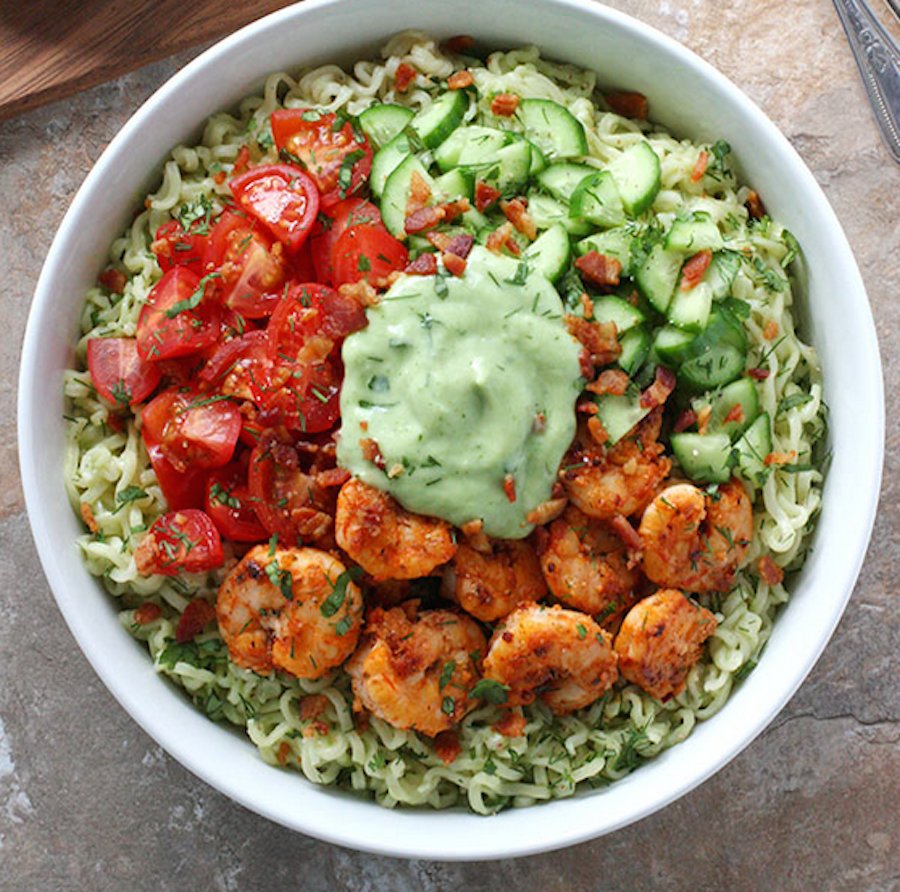
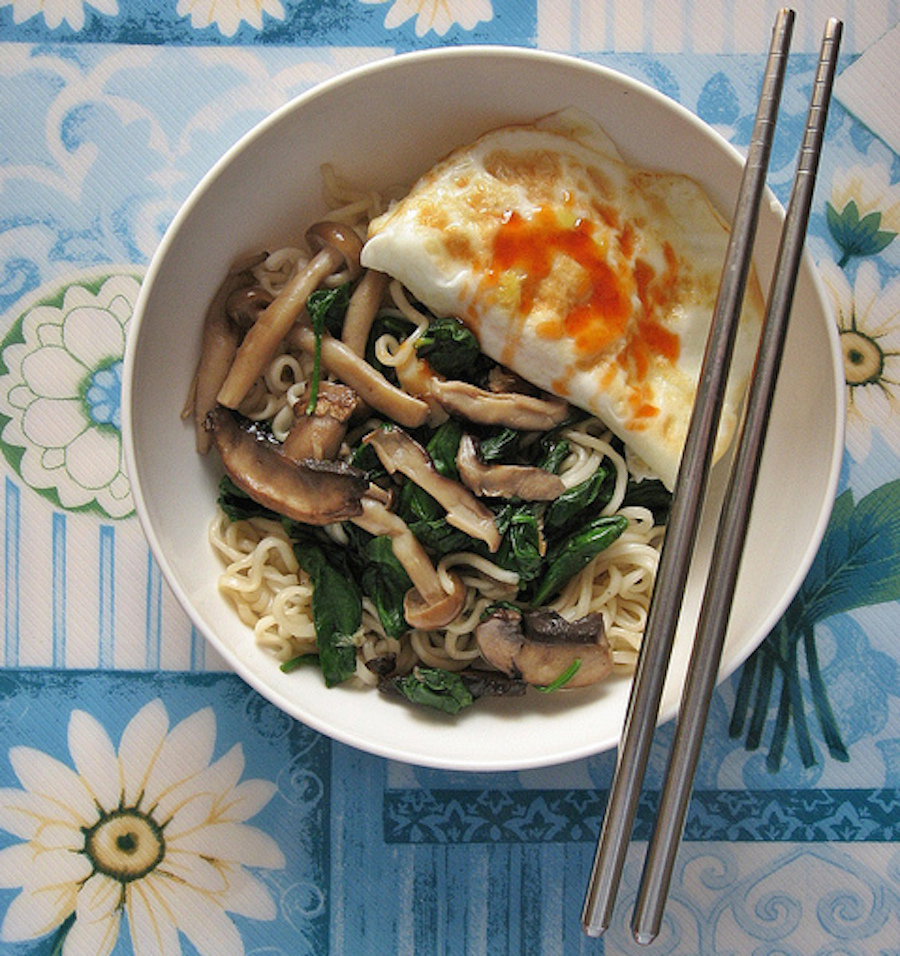
You've seen ramen burgers, tacos and pizza -- too-trendy specialties that, we'd argue, have gone a bit overboard. We enjoy our instant ramen dishes for their their taste, not their novelty factor. These perfectly satisfying recipes below boast tons of flavor and innovation, while still maintaing their dignity.
Let the games begin: